Complete guide to packing fragile items for UK removals
If you are staring at a stack of glasses, framed prints, lamps, crockery, and that one suspiciously expensive vase, you are not alone. Packing fragile items for UK removals can feel oddly stressful because the damage usually happens in the tiny moments: one overfilled box, one loose mug, one hurried lift down the hallway. This guide walks you through the full process in plain English, so you can pack more safely, reduce breakages, and feel calmer on moving day.
We will cover the materials that actually help, the step-by-step method, common mistakes, practical comparisons, and a checklist you can follow without second-guessing yourself. If you are planning a house move and want broader moving support too, it can help to look at home moves, house removals, or even packing and unpacking services if you would rather leave the fiddly part to professionals.
- Why this matters
- How fragile packing works
- Benefits and practical advantages
- Who needs this guide
- Step-by-step guidance
- Expert tips
- Common mistakes to avoid
- Tools and recommendations
- Law, compliance, and best practice
- Methods comparison
- Real-world example
- Practical checklist
- Conclusion
- Frequently asked questions
Why Complete guide to packing fragile items for UK removals Matters
Fragile items are usually the last things people pack, which is fair enough. They are awkward, sentimental, and often not replaceable. But that is exactly why they deserve a proper method rather than a last-minute wrap-and-hope approach.
In a UK removal, fragile items are exposed to movement, vibration, weather changes, narrow stairs, tight hallways, and multiple handovers. Even a short move across town can be rough on glass, ceramics, mirrors, and electronics if they are not boxed correctly. The risk is not just breakage either. Poor packing can lead to scratches, chips, pressure cracks, and items shifting inside the box until they knock into each other. That is the part people miss.
It also matters because moving day is busy. One box that leaks, collapses, or is too heavy can throw the whole rhythm off. You will notice this most in typical UK homes where doorways are snug, parking may be awkward, and a van load needs to be stacked carefully. A little extra preparation pays off quickly.
Expert takeaway: fragile packing is not about using more material. It is about using the right material, creating separation, and stopping movement inside the box.
How Complete guide to packing fragile items for UK removals Works
The basic idea is simple: protect each item, fill empty space, and make the box strong enough to survive lifting and transport. The practical side is where things get interesting.
First, you sort fragile items by type. Glassware needs a different approach from framed art. Plates should be packed on edge, not flat. Lamps need their bulbs and shades removed. Electronics need cables secured and accessories bagged. If you try to pack everything the same way, you usually end up over-padding some things and under-protecting the important bits.
Second, you build layers. A good fragile box normally has a padded base, wrapped items in the middle, and cushioning around the sides and top. The item should feel snug, not crushed. If it rattles when you pick the box up, it is not done yet.
Third, you label clearly. Not because a label is magical, but because it helps everyone handling the box know it needs gentler treatment. In a real move, that matters more than people think. One quick glance at a box marked properly can change how it is stacked in the van.
Finally, the boxes need sensible handling. Do not overpack them. Do not hide heavy items among delicate ones. And do not assume the driver can tell what is inside by the sound it makes. Believe me, a box of glasses packed badly has a very distinctive little clink, and nobody wants that soundtrack.
Key Benefits and Practical Advantages
Done properly, fragile packing gives you more than peace of mind. It makes the move smoother from start to finish.
- Lower breakage risk: fewer impacts, less movement, and better support around corners and edges.
- Faster unloading: labelled boxes are easier to place in the right rooms and handle with care.
- Less stress on moving day: you are not scrambling to wrap mugs at the last minute while someone is asking where the kettle is.
- Better use of van space: correctly sized boxes stack more neatly and safely.
- Cleaner unpacking: organised packing means fewer mixed-up items and less time hunting for essentials.
There is also a psychological benefit. Once the fragile stuff is packed well, the rest of the move feels less fragile too. That sounds obvious, but it is true. People get stuck because they are worried about the expensive or sentimental items. Sort those out first and the whole job gets lighter.
If you are comparing removal help, a reputable removal company or experienced movers can often advise on loading order and handling expectations as part of the move. That kind of practical support can be worth a lot when time is tight.
Who This Is For and When It Makes Sense
This guide is useful whether you are moving a one-bed flat, a family house, or a small office with delicate equipment. Fragile packing is relevant for anyone moving breakable or delicate goods, but the priorities vary.
- Home movers: crockery, glasses, artwork, mirrors, ornaments, photo frames, lamps, and TV accessories.
- Students and renters: small kitchens and mixed boxes are where breakages happen most often.
- Families: children's keepsakes, school projects, and heirlooms often need extra care.
- Small businesses: display items, electronics, files, and office equipment may need a more structured pack.
- Landlords or sellers: if you are moving contents in and out of a property quickly, neat packing helps avoid delays and complaints.
It makes sense to use a professional service when you have high-value items, limited time, physical access challenges, or simply too much on your plate. If that sounds familiar, a man and van arrangement can be suitable for smaller moves, while larger homes may suit house removalists or a fuller removal services package.
Step-by-Step Guidance
Here is the part you can actually follow, box by box. Keep it steady. No rush needed.
1. Gather the right materials
Before you touch the fragile items, get everything ready. The best packing is done when materials are on hand and the space is clear. You do not want to be hunting for tape with one hand while holding a glass with the other. That never ends well.
- Strong small or medium double-walled boxes
- Bubble wrap or packing paper
- Plain paper for filling gaps
- Tape that actually holds
- Markers for clear labelling
- Cardboard dividers for glassware if available
2. Prepare a clean packing area
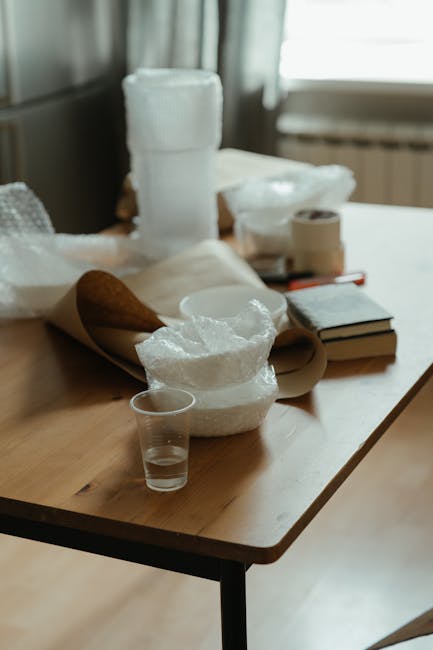
Use a table or clear floor space. Lay out wrapping paper, tape, and boxes before you start. A tidy packing station saves time and reduces silly mistakes. Truth be told, some of the best moving-day damage starts with clutter and distraction.
3. Wrap each item individually
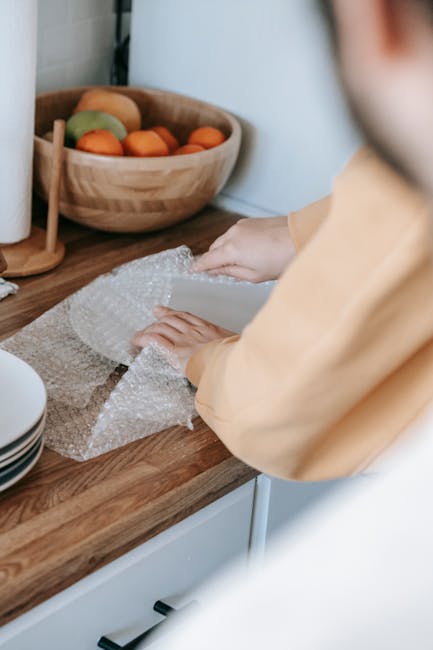
Wrap glass, ceramics, and ornaments separately. For very delicate pieces, use a first layer of paper and a second layer of bubble wrap. The aim is to stop direct contact between items and soften impacts. Do not rely on one thick wrap around a bunch of objects. They will still knock into each other.
4. Use the right packing method for each item
Different items need different treatment:
- Glasses: stuff the interior gently with paper, then wrap each one and place upright in a divider box.
- Plates: wrap individually and place on edge, not flat, with padding between each layer.
- Bowls: nest carefully only if fully padded between each item.
- Mirrors and frames: protect corners first, then wrap the surface and mark the box clearly.
- Lamps: remove shade and bulb, bag fittings, and pack the base separately.
- Electronics: back up data if needed, remove cables, secure loose parts, and use original packaging if you still have it.
5. Fill all empty space
Empty space is the enemy. Any gap lets the item move, and movement creates damage. Add scrunched paper, soft wrapping, or inserts until everything feels snug. Shake the box gently. If you hear things shift, add more cushioning.
6. Keep boxes small and manageable
Fragile boxes should usually be smaller than general-purpose boxes. That makes them easier to lift and reduces pressure on the contents. A box full of plates that is too heavy becomes a problem for everyone, especially on stairs or in wet weather.
7. Seal, label, and load carefully
Tape the bottom and top well. Label the box on several sides with what it contains and where it should go. A simple note like "FRAGILE - GLASSWARE - KITCHEN" is better than vague handwriting that nobody can read by the time the van doors close.
For bigger moves, using the right vehicle matters too. If the load is substantial, a moving van, removal van, or even moving truck may be more suitable than a smaller vehicle. It is not glamorous, but space and stability matter.
Expert Tips for Better Results
A few small habits make fragile packing noticeably better. These are the things that separate "it should be fine" from "that was done properly".
- Pack heavy fragile items at the bottom of a box, but never underneath lighter breakables in the same box. Keep categories sensible.
- Use smaller boxes for crockery and glassware. They are safer to lift and less likely to fail at the base.
- Protect corners first. Corners are often the first part to take a hit.
- Keep original packaging when you can. It is often the best fit for electronics and appliances.
- Separate lids, plugs, remotes, and accessories. Put them in a labelled bag and tape it to the same box.
- Plan unpacking order before you seal boxes. Tea kettle first, ornaments later. Very practical.
If you are moving in winter, allow for damp conditions. Wet cardboard weakens faster, especially after a rainy walk from the front door to the van. A waterproof box cover helps, but careful timing helps more. Shorter carry routes, boxes not left on the pavement, and quick loading all make a difference.
And one more thing: do not let people "just pop that in there" at the end. That one phrase has probably damaged more crockery than we would care to count.
Common Mistakes to Avoid
Most breakages come from a few familiar errors. If you avoid these, you are already ahead of the pack.
- Using oversized boxes: more movement, more weight, more risk.
- Under-wrapping: one layer is often not enough for delicate items.
- Leaving gaps: items slide and knock together during transit.
- Mixing fragile and heavy goods: mugs under books is a bad idea, every time.
- Forgetting to mark the box: labels guide the people carrying it.
- Packing too late: rushing is when mistakes creep in.
- Stacking fragile boxes under heavy ones: a common loading error that ruins good packing work.
There is also a subtle mistake people make: they pack for the van, not for the unpacking. If you pack everything randomly, the van might survive, but your first night in the new place becomes a scavenger hunt. Not ideal after a long day.
Tools, Resources and Recommendations
You do not need a warehouse of supplies, but the right basic kit makes the job much easier.
| Item | Best use | Why it helps |
|---|---|---|
| Small double-walled boxes | Glasses, crockery, ornaments | Stronger structure and easier lifting |
| Packing paper | Wrapping and filling voids | Reduces movement without adding much weight |
| Bubble wrap | Very delicate or high-value items | Extra cushioning for impact protection |
| Dividers | Glassware and bottles | Prevents contact between items |
| Marker pen and labels | Box identification | Makes handling and unpacking far easier |
| Strong tape | Sealing boxes properly | Stops bottoms giving way under load |
If you are moving a full household, it is often worth checking pricing and quotes early so you can match your packing effort to the size of the move. For larger household transitions, house movers can help with planning, loading, and transport, which matters when you are juggling lots of delicate items at once.
For people who want to reduce waste, it is also sensible to think about reuse. Boxes, paper, and padding can often be repurposed or recycled appropriately after the move. That sits well with a more mindful approach, and if sustainability matters to you, the company's recycling and sustainability information is worth a look.
Law, Compliance, Standards, or Best Practice
Fragile packing itself is mostly a best-practice issue rather than a legal one, but safety and care still matter. In the UK, good removal work should reflect sensible manual handling, clear communication, and careful loading practices. That is not just common sense; it is how you reduce avoidable damage and injury.
From a practical standpoint, a removal provider should have processes for handling goods responsibly and for explaining any limits around packing, transport, and liability. It is smart to review insurance and safety information before booking, and if you want to understand how a company handles complaints or expectations, the terms and conditions and health and safety policy can be useful reading.
For commercial relocations, there may be extra internal procedures, especially where IT equipment, display stock, or confidential materials are involved. If that is your situation, commercial moves and office removals are worth considering because the packing plan is usually more structured than a typical house move.
One careful note: this guide is about packing best practice, not legal advice. If you have particularly valuable, insured, or fragile items, check the specific terms of your cover and the mover's policy before moving day.
Options, Methods, or Comparison Table
There is no single perfect packing method for every item, which is where a lot of advice goes wrong. The right choice depends on fragility, weight, and how far the item needs to travel.
| Method | Best for | Pros | Trade-offs |
|---|---|---|---|
| Paper wrap only | Light ceramics, basic glassware | Cheap, quick, low waste | Less protection for high-value pieces |
| Paper + bubble wrap | Heirlooms, glass, ornaments | Strong cushioning | Uses more materials |
| Divider boxes | Glasses, bottles, stemware | Excellent separation | Not always available for every shape |
| Original packaging | Electronics and appliances | Often the best fit | Many people no longer have it |
| Professional packing support | Busy homes, premium items, office kit | Fast, structured, less stress | Higher cost than DIY |
If you are weighing up whether to handle everything yourself, consider time, access, and the value of the items. A smaller move may be easy enough with a man with van setup, while a more demanding relocation might benefit from a broader removals service. Sometimes the cheapest option is not the cheapest once breakages enter the picture. Annoying, but true.
Case Study or Real-World Example
Picture a fairly typical Saturday morning move from a second-floor flat in South London. Nothing dramatic. Just a narrow staircase, a kettle boiling in the background, and far too many kitchen items packed into the "miscellaneous" category. The fragile items were the part causing the most stress: wine glasses, a mirror, a few framed prints, and a set of inherited dinner plates wrapped years ago in old newspaper that had gone soft in storage.
The fix was straightforward once the packing was reorganised. The glasses went into a small divider box. The plates were repacked on edge with paper between each one. The mirror had cardboard corner protectors and a clearly marked outer wrap. The frames were separated so they could not rub. The result? Nothing fancy, just a calmer unload and no broken items at the other end.
What made the biggest difference was not expensive materials. It was slowing down for fifteen minutes and using smaller boxes. That is usually the pattern, to be fair. Most fragile packing problems are solved by reducing movement and taking the box size seriously. The moving van did its part, but the packing did the heavy lifting, literally and otherwise.
For a job like that, a provider offering man and van removals or removal van transport can be a practical fit if the volume is modest. The right vehicle and the right packing strategy go hand in hand.
Practical Checklist
Use this checklist before you seal the last box. Simple, but useful.
- Separate fragile items from heavy ones
- Use small, sturdy boxes for delicate goods
- Wrap each item individually
- Protect corners, handles, and edges
- Fill all gaps inside the box
- Test for movement by gently lifting and tilting the box
- Seal the base and top with strong tape
- Label boxes on multiple sides with contents and room destination
- Keep the heaviest fragile boxes manageable to lift
- Store essential fragile items separately if you need them first
- Check whether insurance or mover guidance applies to special items
- Keep tools, tape, and marker pens nearby until packing is complete
If you are still not sure whether to self-pack or bring in support, compare the time you have with the items you need to protect. That usually answers the question quite quickly.
Get a free quote today and see how much you can save.
Conclusion
Fragile packing does not need to be complicated, but it does need to be thoughtful. Wrap items individually, use small sturdy boxes, remove movement wherever you can, and label clearly so every box is handled with the right level of care. That is the real formula.
If you remember only one thing from this guide, make it this: fragile items fail when they move. Stop the movement, and you have already solved most of the problem. The rest is good organisation and a calm hand on the day. Nothing magical. Just sound packing, done properly.
And when the boxes arrive intact, there is a quiet relief that makes the new place feel more like home straight away. That part is worth getting right.
Frequently Asked Questions
What is the best way to pack fragile items for a house move?
The best method is to wrap each item individually, place them in small sturdy boxes, fill all empty space, and label the box clearly. The key is preventing movement inside the box.
Should fragile items be packed in large or small boxes?
Small boxes are usually better because they are easier to lift and less likely to become too heavy. Large boxes often create too much movement and pressure on breakable items.
Is bubble wrap necessary for fragile removals?
Not always, but it is very useful for high-value, delicate, or awkwardly shaped items. For many everyday items, packing paper plus good cushioning is enough.
How do you pack glasses so they do not break?
Wrap each glass separately, pad the inside lightly if needed, and place them upright in a box with dividers or plenty of cushioning. Do not let them touch each other.
Can I use newspaper for packing fragile items?
You can, but plain packing paper is cleaner and less likely to mark items. Newspaper can be useful for filling gaps, though it is not ideal for delicate surfaces.
What should I do with mirrors and framed pictures?
Protect the corners first, wrap the surface carefully, and pack them vertically where possible. Make sure they cannot slide around inside the box or the van.
Are plates better packed flat or on edge?
Plates are generally safer packed on edge with padding between each one. That reduces pressure and makes breakage less likely during transit.
How early should I start packing fragile items?
Start early if possible, ideally before the final couple of days. Fragile packing takes more concentration, and rushing is when avoidable damage tends to happen.
Should I tell the removal team which boxes are fragile?
Yes. Clear labels help everyone handle the boxes more carefully and place them in safer positions in the vehicle and at delivery.
What if I have expensive or sentimental fragile items?
Use extra protection, keep them separate from general household items, and check whether your mover's insurance and safety information covers them in the way you expect.
Can a man and van service handle fragile items safely?
Yes, provided the items are packed properly and the mover is aware of what needs careful handling. Smaller moves often work well with a man with a van or man with van removal arrangement.
What is the biggest mistake people make when packing fragile items?
The biggest mistake is leaving too much empty space in the box. Even well-wrapped items can still break if they can shift and collide during the move.
Do I need professional packing services for fragile items?
Not always. Many people pack their own fragile items successfully. But if you are short on time, dealing with special items, or want less stress, packing and unpacking services can be a sensible choice.