Packing and Unpacking Services in Movers
Moving day can feel exciting, stressful, and time-consuming all at once. If you are planning a home move, a business relocation, or simply need extra help getting settled, Packing and Unpacking Services in Movers can make the entire process smoother from the first box to the last item placed in your new space. For local customers, this service is especially valuable because it is built around real moving conditions in the area: narrow streets, apartment stairways, busy parking zones, suburban family homes, and commercial spaces that need to reopen quickly.
Instead of spending nights and weekends wrapping fragile items, sorting cupboards, labeling boxes, and figuring out how to protect furniture, you can rely on a trained local team to do the work efficiently. Packing and unpacking is not just about putting belongings into boxes. It is about reducing damage risk, saving time, improving organization, and helping your move feel manageable. Whether you are moving from a flat, a townhouse, a family house, or an office space, professional movers can tailor the service to match your schedule and the level of support you need.
Many people looking for packing services want a practical solution that fits local life. Perhaps you need full packing before moving day, partial packing for just the kitchen or fragile rooms, or unpacking help so your new place is liveable as soon as possible. Local movers understand the common challenges that come with moving around Movers and nearby neighborhoods, and that local knowledge makes a noticeable difference in speed, safety, and planning.
Why Packing and Unpacking Support Matters
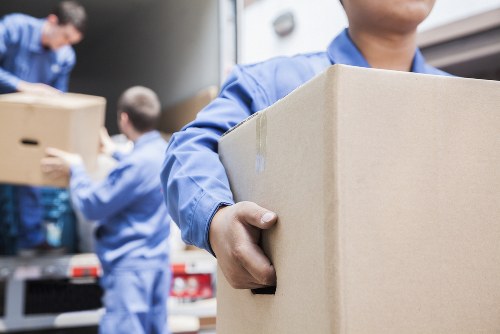
Moving is rarely just about transport. The real work often starts long before the truck arrives. Families need to decide what to keep, what to donate, and how to sort items so that the new home is organized from day one. Businesses often need to protect documents, equipment, stock, and office furniture while minimizing downtime. In both cases, packing and unpacking services remove a huge amount of pressure.
A well-packed move reduces the chance of damage, lost items, and cluttered chaos at the other end. It also helps movers work more safely because boxes are sealed, labeled, and easier to stack. When unpacking is included, the move can feel far less overwhelming because essentials are placed where they belong, fragile items are handled with care, and each room starts to take shape quickly.
For many local customers, the biggest benefit is peace of mind. Instead of juggling work, family commitments, and moving tasks, you can hand over the most time-consuming part of the relocation to experienced professionals. That means fewer last-minute rushes and a more controlled, orderly moving day.
What Packing and Unpacking Services Usually Include

Every move is different, so the exact service can be adjusted to suit your property, your budget, and your timeline. Still, most packing and unpacking services in Movers are designed to cover the tasks people find hardest or most time-sensitive.
Typical packing assistance may include:
- Supplying suitable boxes and packing materials
- Wrapping fragile household items such as glassware, ceramics, and ornaments
- Protecting furniture surfaces and disassembling selected items where needed
- Packing kitchenware, books, clothing, linens, and household goods
- Careful labeling to make unpacking easier later
- Special attention to delicate, valuable, or awkwardly shaped items
Unpacking services often include:
- Opening boxes in the correct rooms
- Removing wrapping and packing materials
- Placing items on surfaces or into cupboards as instructed
- Helping organize everyday items for immediate use
- Breaking down and clearing packing debris once finished
Some customers choose full-service packing and unpacking. Others prefer a partial service, such as help with fragile items only, or unpacking just the kitchen, wardrobes, and essential living areas. That flexibility is useful because no two households or businesses need the same level of support.
How the Service Works

Booking packing and unpacking help is usually straightforward. A local mover will typically begin by learning about the size of your move, the type of property involved, and any access details that could affect the schedule. For example, an upper-floor apartment, a narrow staircase, a shared driveway, or limited parking can change how the team plans the day.
After the service is arranged, the packing team may arrive with materials or use your own supplies if you prefer. They will normally pack room by room so items stay organized. Fragile pieces are wrapped separately, heavy boxes are kept manageable, and labels are added to show where each box should go in the new property. This step matters because it makes the unpacking stage far easier and faster.
On arrival at your new place, unpacking can be done in stages. Some customers want everything opened right away. Others want only the most important rooms handled first, such as the kitchen, bathroom, bedrooms, or office. This flexibility is one of the main reasons local customers choose a professional mover. It lets you settle in at the pace that suits your family or business.
Local Moving Conditions That Make Packing Help Valuable
Movers and the surrounding local area include a variety of property types and access situations. In some streets, parking can be limited, and loading a van may need careful timing. In other areas, homes may have internal stairs, loft rooms, compact hallways, or tight doorways that make moving bulky items more challenging. Local packing and unpacking services are designed with these realities in mind.
Apartment buildings often require extra coordination for lifts, shared entrances, and move-in rules. Family houses may have large volumes of clothing, toys, kitchen items, and garden equipment that need a methodical approach. Commercial customers may need desks, files, stock, or specialist equipment handled so that work can continue with as little interruption as possible. A local team that knows these conditions can plan ahead and avoid unnecessary delays.
Another practical advantage is familiarity with nearby areas and moving patterns. A local mover can often work more efficiently because they understand the access issues that commonly affect homes, flats, and offices in the region. That knowledge is especially useful when timing matters and when you want the packing and unpacking process to fit neatly around your moving schedule.
Who Uses Packing and Unpacking Services?

These services are helpful for a wide range of customers. Some people book them because they are short on time. Others need physical support, want to reduce stress, or have valuable belongings that need extra care. The service can be scaled up or down depending on your needs.
Common customers include:
- Busy families who want the move done quickly and safely
- Older residents who prefer assistance with heavy or repetitive tasks
- Professionals moving between rented properties or new homes
- Landlords and tenants managing end-of-tenancy or move-in timing
- Small businesses relocating offices, studios, or storage spaces
- Retail and commercial teams needing stock or equipment organized at the new site
For customers with health concerns, limited mobility, or just a packed calendar, having a local team handle the preparation can make a move feel achievable instead of overwhelming. For business relocations, the benefit is often speed and order. The sooner the boxes are unpacked and the workspaces are ready, the sooner operations can resume.
Partial packing is also popular. Many people ask movers to handle only the kitchen, glassware, breakables, or anything valuable. That way, they keep control over personal items while still reducing the most stressful part of the job.
Benefits of Choosing a Professional Local Team

There is a noticeable difference between trying to rush through packing yourself and working with a trained moving team. Professional packers use a methodical approach that helps protect belongings and keeps the move organized. They know how to pack efficiently without overfilling boxes, how to cushion delicate items, and how to manage rooms that contain a lot of small objects.
Some of the biggest advantages include:
- Time savings so you can focus on family, work, or property handover tasks
- Reduced damage risk through proper wrapping, filling, and labeling
- Better organization at the new property
- Less stress before and during moving day
- Faster settling in when unpacking is handled professionally
- Practical local support from movers who understand nearby routes and access points
For many households, the real value is not just convenience. It is the ability to start life in the new place with less clutter, less confusion, and fewer unfinished tasks. A move feels much more manageable when the most time-consuming packing work is handled for you.
What Happens During Packing Day?
Packing day usually starts with a quick overview of the property and an understanding of what must be packed first. Many people prefer the service to begin with storage rooms, spare rooms, or rarely used belongings, then move to kitchens, bedrooms, and living spaces. If you are staying in the home until moving day, essential items can be left aside for last so daily routines are not disrupted too early.
The team may bring materials such as boxes, tape, wrapping paper, protective coverings, and wardrobe cartons, depending on the agreed service. Fragile items are wrapped individually, heavier objects are distributed carefully, and boxes are clearly marked. If furniture needs light disassembly, that is usually handled in a way that makes reassembly easier later. The goal is not simply to finish quickly; it is to pack in a way that makes unloading and unpacking practical.
If you are moving from a property with awkward access, such as a steep driveway, shared entrance, or tight stairwell, the team can usually adjust the packing method to make handling easier. That kind of local adaptability is especially valuable for customers in buildings where carrying oversized boxes is not straightforward.
What Happens During Unpacking Day?
Unpacking can be just as important as packing because it determines how fast your new place becomes usable. Some customers want every box opened, sorted, and cleared in one visit. Others prefer a focused approach that prioritizes the rooms they need first. A good unpacking service should be flexible enough to match your preferences.
Often, unpacking begins with the basics: kitchen essentials, toiletries, bedding, clothing, and everyday household items. Once the essentials are set up, the team can move on to books, decorative pieces, office supplies, and storage areas. This approach helps you settle in faster because the most important rooms are ready for daily life before the less urgent tasks are tackled.
Many local customers also appreciate that unpacking services reduce clutter immediately after the move. Instead of being surrounded by unopened boxes for days or weeks, you can have the home arranged more quickly. That matters whether you are moving into a first home, a rental property, a larger family house, or a commercial workspace.
Preparation Checklist Before the Move
Even if professionals are handling the packing, a little preparation from you can make the process smoother. A clear plan helps the team work efficiently and ensures the unpacking stage is more useful.
Before packing day, it helps to:
- Set aside essential documents, medications, keys, and personal valuables
- Separate items you do not want packed
- Decide whether any rooms need priority packing or unpacking
- Clear pathways where possible to improve access
- Confirm building rules or loading restrictions if you live in flats or apartments
- Label any items that should stay with you rather than going on the truck
- Tell the movers about fragile, heavy, or unusual items in advance
If you are using unpacking help, think about how you want the new home to function on day one. For example, do you want the kitchen done first, children’s rooms arranged early, or office equipment ready for immediate use? Sharing that preference before the move helps the team work in the right order.
Good preparation does not mean doing all the hard work yourself. It simply means giving the packing and unpacking team the best possible start so they can focus on efficiency and care.
Pricing Factors to Consider
People often ask what affects the cost of packing and unpacking. The answer usually depends on the scope of work rather than a one-size-fits-all figure. Since every home and business move is different, local movers usually consider several practical factors before offering a quote.
Common pricing factors include:
- The size of the property and the number of rooms
- How much needs to be packed or unpacked
- Whether the service is full packing, partial packing, or unpacking only
- The level of fragile or specialist items involved
- Whether materials need to be supplied
- Access challenges such as stairs, distance from parking, or limited loading space
- Whether the move is residential or commercial
- The time needed to complete the work
Because the service is tailored, it is usually best to request a quote based on your actual property and requirements. That allows the mover to give you a more relevant estimate and recommend the right amount of help. This is especially useful for customers who only want support with certain rooms or fragile belongings.
When comparing local providers, focus on what is included, how the team works, and whether the service matches your move. Sometimes a slightly more complete packing and unpacking package saves time and stress overall.
Residential and Commercial Packing Support
Packing and unpacking services are useful for both homes and businesses, but the priorities are often different. Residential customers usually care most about keeping personal items safe and getting the family settled quickly. Commercial customers usually care most about business continuity, organized labeling, and minimizing disruption.
For residential moves, the team may focus on wardrobes, kitchens, delicate decor, toys, books, and household electronics. For commercial moves, they may handle office files, desks, storage units, stock, and equipment in a way that helps the new workspace open with less delay. Local movers in Movers are often used to balancing these different requirements because they work with both domestic and business clients in the same area.
That flexibility matters. A family moving into a new house and a business relocating an office are both moving, but they need different planning, different priorities, and often different timing. A local team can adjust its approach rather than applying a generic process.
Useful questions to ask before you book
If you are deciding whether to book a packing or unpacking service, it helps to ask a few practical questions first:
- Can the service be full or partial?
- Are packing materials included or supplied separately?
- Can fragile or specialist items be handled carefully?
- Will unpacking be done room by room?
- Can the service be timed to fit move-out or move-in deadlines?
- What access details should I share beforehand?
These questions help you choose the right level of support and avoid surprises on the day.
Why Local Experience Makes a Real Difference
A local mover is often better placed to handle the practical realities of moving in Movers and nearby districts. That includes understanding common property layouts, knowing how to plan for narrow streets or busy residential roads, and being aware that apartment blocks, estates, and business premises all come with different access rules.
Local knowledge also helps with timing. If a property has limited parking or a loading bay that must be used at certain times, the packing and unpacking plan can be adjusted accordingly. If a move involves a top-floor flat without convenient lift access, the team can prepare the right equipment and packing style from the start.
This is why local customers often prefer a team that already understands the area. It can save time, reduce confusion, and create a smoother experience on moving day. It also gives you a more personal service because the movers are working with the real conditions of your move rather than guessing.
How to Choose the Right Service Level
The best packing and unpacking setup depends on your time, your budget, and how much you want handled by the movers. Some people want the whole house packed from top to bottom. Others are happy to manage clothes and personal items themselves but want help with fragile items, kitchenware, and furniture. There is no single right answer; the best choice is the one that makes your move more workable.
Full-service packing is ideal when you need maximum convenience or have a large property with many belongings. Partial packing is a good middle ground when you want to reduce workload without handing over everything. Unpacking-only support can be useful if your items are already packed but you want help settling into the new place quickly and neatly.
For many customers, a mixed approach works best. For example, you might pack personal paperwork and valuables yourself, ask movers to pack the kitchen and fragile items, then book unpacking support for the first day in the new home. That kind of tailored service gives you control where you want it and support where you need it.
Frequently Asked Questions
Do I need packing services if I already have boxes?
Not necessarily, but having boxes does not mean you have to do all the packing yourself. A mover can still provide packing labor, handle fragile items, and organize the contents even if you already have some materials on hand.
Can I choose only unpacking services?
Yes. Some customers pack their own belongings but want help opening boxes, placing items in the right rooms, and clearing packing materials at the new property.
Will movers pack fragile items separately?
They should. Fragile belongings such as glass, ceramics, mirrors, and ornaments usually need individual wrapping and careful labeling to help prevent damage in transit.
Can the service help with offices or small businesses?
Yes. Packing and unpacking services are often booked by commercial customers who need documents, equipment, and stock moved efficiently with minimal interruption.
How much should I prepare before the movers arrive?
You do not need to do much. It helps to set aside personal essentials, confirm what should not be packed, and share any access details or special instructions in advance.
Is the service useful for apartment moves?
Absolutely. Apartment moves often involve stairs, lifts, and limited parking, so having a local team handle the packing and unpacking can make the process much easier.
Areas Covered
Our packing and unpacking services support customers in Movers and nearby local areas, including surrounding residential streets, apartment blocks, suburban neighborhoods, and commercial locations. Because local needs vary from one property type to another, the service can be adapted for houses, flats, offices, and mixed-use premises.
If you are moving within the local area, across town, or to a nearby district, professional packing support can still be a smart choice. It is especially helpful when access is tight, timing is short, or you want the new property organized as quickly as possible.
Contact us today to request a free quote, discuss your packing requirements, or book your service now. Whether you need full packing, fragile-only support, or unpacking help after the move, a local team can make the process simpler from start to finish.
Final Thoughts
Packing and unpacking are some of the most demanding parts of any move, but they do not have to take over your life. With the right local mover, you can protect your belongings, save time, and settle into your new property with far less stress. From busy family homes to apartments with tricky access and offices that need a fast turnaround, Packing and Unpacking Services in Movers offer practical support that meets real customer needs.
When you are ready to make the move easier, choose a team that understands the local area, works carefully, and offers the flexibility to match your situation. Request a free quote, ask about packing options, and book the level of help that fits your move.