Office Relocation Services in Movers
Moving an office is never just about boxes and furniture. It is about protecting your equipment, keeping your team working with as little interruption as possible, and making sure the new space is ready for business on day one. That is why Office Relocation Services in Movers are designed for real businesses that need a practical, organized, and local moving solution. Whether you are shifting a small professional suite, a busy shared office, a retail back office, or an expanding company workspace, the right team can make a major difference in how smoothly the changeover happens.
Local office moves often come with unique challenges that are easy to overlook at first. Parking may be limited outside business parks, loading access may be tight in mixed-use buildings, and lift access can slow everything down in multi-storey properties. Some offices are in older buildings with narrow stairwells, while others are in newer developments with timed delivery windows and strict management rules. A local mover who understands these conditions can plan ahead, reduce delays, and help your staff stay focused on work instead of logistics.
Business owners, office managers, and facility teams usually want the same thing: a move that is predictable, efficient, and handled with care. That is exactly what professional office relocation is built to do. From pre-move planning and packing support to furniture disassembly, transport, and set-up at the destination, each stage should be handled in a way that protects assets and reduces downtime. When the move is organized properly, your team can get back to normal much faster.
Why local office relocation matters

Choosing a local team for office relocation can save time, reduce confusion, and improve coordination on moving day. Local movers are usually more familiar with nearby business districts, industrial estates, high-street properties, and office parks. That means they can plan around traffic patterns, access restrictions, and loading bay requirements more effectively than a team that is unfamiliar with the area.
For businesses in Movers, this local knowledge matters because office buildings can vary widely. You may be relocating from a compact unit above a shop, a corporate suite in a modern development, a serviced office, or a small warehouse office attached to a trade business. Each setting has different considerations: whether the lift can be reserved, whether stair-only access is required, where the truck can stop, and how many items can be moved at one time without disrupting neighbours or customers.
Local service also makes communication easier. If your move date changes, your office layout needs revising, or you have extra items to add at short notice, a nearby provider can often respond more quickly. That flexibility is valuable for businesses dealing with lease deadlines, renovation schedules, seasonal staffing, or unexpected operational changes.
What office relocation services usually include

Office relocation services in Movers can be tailored to suit the size and complexity of your business. Some companies need full-service support from packing through to reassembly, while others only require transport and safe handling of selected items. A good moving team will talk through your requirements and shape the service around your workspace, your timeline, and the type of equipment involved.
Common inclusions often cover careful packing of office contents, moving boxes and crates, dismantling desks or meeting tables, wrapping fragile items, loading and unloading, and placing furniture in the correct rooms at the new premises. Depending on your needs, the team may also handle IT equipment with extra care, move filing cabinets and archives, and coordinate the relocation of workstations in a way that supports business continuity.
Many office moves also benefit from labelling systems, floor plans, and staged relocation. For example, departments can be moved in a specific order so essential operations remain live for as long as possible. This is especially useful for businesses that cannot shut down for long periods, such as professional services, healthcare-related offices, sales teams, and customer support functions.
Typical service elements
- Packing support for documents, supplies, and non-sensitive office contents
- Furniture dismantling and reassembly
- Special handling for IT and office electronics
- Safe transport of desks, chairs, storage units, and meeting furniture
- Loading and unloading with attention to access points
- Placement of items according to the new office layout
- Optional after-hours or weekend moving arrangements where available
How an office move works from start to finish
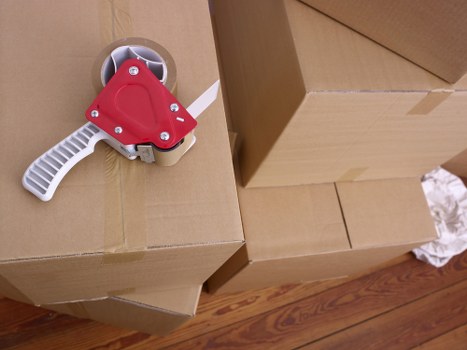
The best office relocations start long before the moving vehicle arrives. Planning is what keeps the process under control. The first step is usually an assessment of both the current and new premises so the moving team can understand the volume of items, the access conditions, and any special requirements. This is where details like stair access, lift size, parking permits, key collection, and loading restrictions are noted and built into the moving plan.
Next comes the packing and preparation stage. Staff may be asked to clear personal belongings, label box contents, back up data, and separate anything that should travel with individual employees. Office equipment that requires special handling is identified in advance. If the move involves IT systems, the relocation may be scheduled around equipment shutdown and restart times to reduce risk and downtime.
On moving day, the team follows the agreed plan, moving items efficiently and carefully from one site to the other. Furniture is protected, fragile equipment is handled properly, and items are placed in the correct areas at the destination. If reassembly is included, desks, tables, and selected storage units can be set up so your workplace is ready for staff to resume work. The goal is not just transport, but a functional transition.
What makes the process smoother
Clear labelling, pre-arranged access, and a realistic schedule all help. When a moving team knows which items are going to meeting rooms, reception, storage areas, or departmental zones, the unloading process becomes much more efficient. This reduces clutter at the destination and helps your team settle in faster.
Local property types and access challenges in Movers

Office relocation in Movers often involves navigating a mix of property types. Some businesses operate from newer office complexes with service lifts and management-controlled access. Others are based in converted buildings, high-street premises, or mixed commercial developments where parking may be shared with customers, tenants, or residents. Understanding these differences is important because a move that looks simple on paper can become difficult if access is not planned properly.
Common challenges include narrow entrances, small lift cars, low ceilings in car parks, busy roadside locations, and loading bays that need to be booked in advance. Older buildings may have stairs that limit how much can be carried at one time, while modern premises may restrict the hours when moving vehicles can use the loading area. A local mover can help anticipate these issues and arrange the move around them.
For offices in town-centre areas or locations with limited parking, the logistics matter even more. You may need a short walking distance from the vehicle to the entrance, careful timing to avoid peak traffic, or a plan for moving items in smaller loads. A well-prepared local relocation team can adapt to these conditions without causing unnecessary delays or disruption to neighbouring businesses.
Examples of spaces often relocated
- Small professional offices
- Shared workspaces and serviced offices
- Administrative departments inside larger commercial buildings
- Retail back offices and stock rooms
- Consulting rooms and client-facing suites
- Trade business offices attached to industrial units
What businesses should prepare before moving

Preparing properly before the move can save time and reduce stress for everyone involved. A relocation team can do a lot, but the most successful office moves are always the ones where the business has taken a few practical steps beforehand. This helps protect important files, reduces confusion, and makes the handover to the new office much easier.
One of the most useful steps is to create a simple inventory of what is being moved. This does not need to be complicated. Even a basic list of furniture, filing, printers, computers, specialist equipment, and archive storage can help the team understand the size of the move. It is also helpful to identify any items that should not be moved with the general office contents, such as confidential records, personal belongings, or equipment that requires separate handling.
Another useful step is to assign move coordinators inside your business. These people can answer questions, approve labels, direct departments, and check that important items arrive in the right place. Good internal coordination makes the move faster and reduces the risk of items being misplaced.
Preparation checklist for office customers
- Confirm the move date and access times for both properties
- Check lift bookings, loading bay rules, and parking arrangements
- Back up digital data and secure sensitive information
- Label boxes by department, room, or workstation
- Clear personal items from desks and storage areas
- Identify furniture that needs dismantling and reassembly
- Separate fragile, confidential, or high-value items
- Tell staff what they need to pack and when
Office relocation services for residential and commercial customers
Although the focus is on business moves, many local customers in Movers need support that bridges both residential and commercial needs. For example, a small business may operate from a home office before moving into a dedicated commercial unit. A consultant or freelancer may need help relocating equipment from home into a new shared workspace. In these cases, a flexible moving service is useful because it can handle office furniture, personal files, monitors, desks, and other work essentials in one move.
Commercial customers often need larger-scale support. This may include moving entire departments, multiple workstations, storage systems, and office equipment across one building or to a new site elsewhere in the local area. In these situations, a structured plan matters even more because different teams may need to move at different times to keep business operations running. Professional office relocation services in Movers can be adapted for these situations rather than treated as a one-size-fits-all job.
Whether the customer is a small home-based business or a growing company with several staff members, the service should feel practical and personal. The right mover helps reduce pressure by handling the heavy lifting, coordinating timing, and making sure the move fits the realities of the business, not the other way around.
Pricing factors and what affects your quote
Many businesses want to know what influences the cost of an office move before they request a quote. While exact figures depend on the details of the relocation, there are several common factors that shape the price. Understanding these helps you plan realistically and compare services fairly.
Distance is one factor, but it is not the only one. The total volume of furniture and equipment, the number of floors involved, the level of packing support required, and the complexity of access at both addresses all play a part. A move from one easy-access office to another may be straightforward, while a relocation involving stairs, tight corridors, or limited parking will usually take more time and coordination. Weekend or out-of-hours work can also affect the quote if your business needs reduced disruption.
Special handling requirements may also matter. IT equipment, fragile electronics, heavy filing cabinets, and oversized furniture often need extra care. If you want the team to dismantle and reassemble desks or workstations, that will usually be included in the planning. Requesting a detailed, no-obligation quote is the best way to understand what your office move will involve.
- Size of the office and number of items to move
- Access conditions at both locations
- Whether packing assistance is needed
- Any disassembly or reassembly work required
- Distance between the old and new premises
- Timing needs, such as weekend or after-hours moves
- Special items, archives, or sensitive equipment
Why choose a local moving company in Movers
There are many reasons businesses prefer a local moving company for office relocation in Movers. The first is familiarity with the area. A team that already understands local roads, office parks, commercial estates, and town-centre access points can plan smarter and move more efficiently. They are also better placed to anticipate the kind of delays that can happen with busy parking, building management rules, or shared access routes.
Another reason is responsiveness. Local businesses often need quick answers, flexible scheduling, and a moving partner who can adapt if plans shift. A nearby team is usually easier to coordinate with during the lead-up to the move, especially if you need a second visit, an updated inventory, or a revised loading plan. That practical support is especially valuable when deadlines are tight.
There is also peace of mind in working with movers who understand what office customers really need. They know that a move is not just about lifting items; it is about protecting productivity, keeping communication clear, and helping the business settle into its new environment with minimal disruption. That local, hands-on approach is often the difference between a stressful move and a controlled one.
How to book your office relocation
Booking office relocation services in Movers should feel straightforward. Start by outlining the basics: current location, destination, move date, type of office, and an approximate list of what needs to be moved. From there, the mover can ask practical questions about access, parking, building restrictions, fragile items, and whether packing or reassembly support is needed.
If your company is moving in stages, mention that early. A phased relocation can help keep essential operations running while teams are shifted one area at a time. This is common for businesses that cannot close completely, especially when customer service, administration, and equipment setup all need to continue during the transition. A local team can build a move plan around those needs.
Once the requirements are clear, you can request a free quote and review the service options available. Be sure to ask what is included, what preparation is expected from your team, and how the move day will be organised. Contact us today to request a free quote and discuss the best approach for your office relocation.
What to have ready when you enquire
- Office size and number of staff affected
- Current and new location details
- Preferred move date or deadline
- Any building access limitations
- Furniture and equipment list
- Packing or dismantling requirements
Areas covered around Movers
Businesses looking for office relocation services in Movers often need support not only in the town itself but also in surrounding neighbourhoods, nearby commercial zones, and local business districts. Depending on the route and service area, office moves may cover nearby industrial estates, town-centre premises, suburban office buildings, and mixed-use developments where businesses operate alongside homes, shops, and other services.
This is especially useful for companies that are relocating within the local area rather than moving far away. A short-distance move can still be complex if it involves several departments, valuable equipment, or strict access rules. Local coverage helps keep the move efficient because the team already understands the roads, timing, and property types common in the area.
If your business is based near a busy shopping street, a business park, a residential-commercial conversion, or an office building with restricted loading access, a nearby mover can usually provide a more practical plan. That local familiarity can make the difference between a delayed move and a smooth handover.
Frequently asked questions
How far in advance should I book an office move?
It is best to book as early as possible, especially if your office move needs to happen on a specific date or outside normal business hours. Early booking gives time for planning, access checks, and internal preparation.
Can you move office furniture and IT equipment?
Yes, most office relocation services include furniture and selected equipment, but IT items often require special care. If you have sensitive electronics, printers, or server-related items, mention them early so the team can plan the right handling method.
Do you help with packing?
Many office moves include packing support, while others are transport-only. If your team is short on time, full or partial packing can save effort and help keep the move organised.
What if my office is in a building with difficult access?
That is common in local office moves. Narrow corridors, stair-only access, and limited parking can all be managed with proper planning. Make sure to share access details before the move so the team can prepare.
Can my business move in stages?
Yes. Staged relocations are often useful when a business needs to stay partly operational during the move. This can be planned by department, floor, or equipment type.
Will my office move cause a lot of downtime?
The level of disruption depends on the size and complexity of the move, but good planning can reduce downtime significantly. An organised local mover will work with your schedule and help you prepare in advance.
Choose a relocation team that understands business needs
Office moves are different from household removals because they affect more than furniture. They affect operations, staff productivity, client service, and deadlines. A dependable office relocation team needs to understand all of that. The right mover listens carefully, plans around your building access, and provides the level of support that matches your business.
From small administrative offices to larger commercial workspaces, the aim is always the same: move items safely, keep the process organised, and help your team settle into the new location with as little disruption as possible. When the service is local, flexible, and focused on real business needs, the whole experience becomes much easier to manage.
If you are planning an upcoming move, book your service now and take the stress out of the transition. Whether you need a full office relocation or support with part of the job, a local moving team in Movers can help you get started on the right foot.
Request a free quote today and discuss the details of your move with a team that understands local office relocation requirements.